

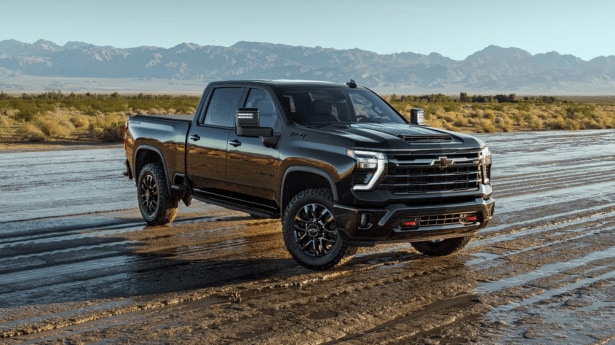
Late-summer dust, pollen, and road grit severely impact your 2026 Chevrolet by clogging air filtration systems, abrading engine components, degrading exterior paint, and obscuring safety sensors. Dry August and September driving conditions introduce microscopic silica and acidic organic plant material into intake passages and HVAC ducts, restricting airflow, triggering premature internal engine wear, and causing clearcoat etching if left untreated.
During the tail end of summer, central Ohio experiences dry spells alongside active agricultural harvesting and road construction. Heavy dust clouds kicked up along unpaved routes and highway construction zones carry fine particles that settle into every crevice of your vehicle. Models like the 2026 Chevrolet Silverado 1500 and the 2026 Chevrolet Equinox depend on clean airflow to maintain combustion efficiency and climate control performance. When airborne particulates saturate filter media, your vehicle works significantly harder to deliver the same power and cooling output.
Routine driving through late-summer dust creates a compounding maintenance challenge. Airborne debris mixes with high ambient humidity and lingering summer heat, turning loose dust into a stubborn film on exterior surfaces and underbody frame components. Understanding how seasonal debris affects your vehicle allows you to take proactive care measures before minor accumulation turns into expensive repairs. You can visit our Mount Vernon service center at 510 Harcourt Rd or give our certified technicians a quick call at (740) 358-0441 to inspect your filtration and protective systems before fall arrives.
How Does Late-Summer Dust Shorten Engine Air Filter Intervals and Risk Engine Wear?
Airborne dust rapidly clogs your engine air filter during late summer, restricting intake airflow to the combustion chambers and forcing the engine to draw air past saturated media. If fine sand and quartz dust bypass a neglected filter, airborne particles scrub against cylinder walls and piston rings, causing permanent mechanical wear.
Standard factory maintenance schedules outline filter inspection intervals based on average driving environments. However, late-summer agricultural activity and unpaved secondary roads create severe-duty operating conditions. When an engine air filter loads up with dust, airflow restriction causes the engine control module to adjust fuel delivery, which leads to sluggish acceleration, reduced throttle response, and lower overall fuel economy. On forced-induction powertrains like the 2.7L TurboMax engine in the Silverado 1500 or the 1.5L turbocharged engine in the Equinox, clean air is critical because high-velocity compressor blades can suffer erosion when exposed to fine abrasive dust.
When drivers bring a vehicle in after late-summer driving through rural road networks, our technicians frequently inspect the airbox first to check for silt accumulation along the filter pleats. Neglecting a dirty filter risks pulling microscopic particles into the crankcase. Once dust contaminants mix with engine oil, they circulate through the lubrication system, increasing friction across bearings, camshaft lobes, and hydraulic lifters.
Inspecting your engine air filter after prolonged exposure to dry, dusty conditions is essential preventive care. If your filter shows heavy discoloration or deep debris trapped within its folds, replacing it restores designed intake volume and protects internal engine tolerances. You can maintain proper engine health by ordering a genuine GM engine air filter directly through our team.
How Do Pollen and Dust Impact Cabin Air Quality and HVAC Systems in Your Chevrolet?
Late-summer ragweed, tree pollen, and dry particulate build up inside your Chevrolet cabin air filter, restricting HVAC blower airflow and creating musty odors throughout the interior. A saturated cabin filter increases climate control resistance, reducing cooling efficiency on hot days while allowing microscopic allergens to circulate through the passenger compartment.
Your vehicle's climate control system draws substantial volumes of outside air through the cowl intake at the base of the windshield. During late August and September, high pollen counts and airborne dust settle directly into this intake area. Vehicles like the 2026 Chevrolet Traverse require strong HVAC airflow to cool up to 7 passengers efficiently across three rows. When dust and organic spores accumulate inside the pleated cabin filter media, the climate control blower motor experiences backpressure, which reduces airflow speed from the dashboard vents and causes the air conditioning system to work harder to maintain set cabin temperatures.
Beyond restricting ventilation, a dirty cabin air filter negatively affects passenger health and cabin cleanliness. Fine organic debris trapped in the filter can absorb ambient summer humidity, creating an environment where unpleasant smells develop. When you run the blower fan, these trapped particles can release back into the passenger space, settling over seats, electronics, and interior glass while triggering seasonal allergy symptoms for passengers.
To minimize pollen and dust accumulation inside your vehicle, practice simple cabin habits during late summer:
- Operate the climate control system in recirculation mode when traveling behind heavy traffic or through dry, dusty corridors.
- Keep all windows and sunroofs completely closed while driving or parking near open fields during peak pollen hours.
- Vacuum fabric seats, carpeted floor mats, and interior seams frequently to remove settled allergens before they recirculate.
- Wipe down the dashboard, instrument cluster, and door panels using a damp microfiber towel rather than dry dusting.
What Does Road Dust, Debris, and Pollen Do to Exterior Paint and Underbodies in Mount Vernon?
Fine road dust acts as an abrasive compound against clearcoat paint, while acidic pollen combined with late-summer humidity chemically etches exterior finishes and accelerates underbody corrosion. Environmental debris traps moisture against unpainted chassis components, wheel wells, and brake hardware, speeding up surface oxidation.
The rolling hills and river valley corridors around Mount Vernon create localized pockets where agricultural dust and organic pollen accumulate on vehicle surfaces overnight. When fine silica dust rests on your Chevrolet's body panels, dry wiping or brushing the surface drags sharp dust particles across the paint, creating microscopic swirl marks and light scratches. Pollen presents a chemical threat as well; many plant pollens contain acidic compounds that activate when exposed to morning dew or light rain. Once activated, these acids etch directly into the clearcoat layer, leaving permanent ring marks and dull spots if not washed away promptly.
Underneath your vehicle, road grit and loose gravel kicked up from dry roads coat the frame, brake calipers, and suspension linkages. This layer of grime retains environmental moisture and accelerates oxidation on exposed metal components. On heavy-duty frame designs like the Silverado's Custom 4X4 Crew Cab Short Box, regular underbody rinsing removes accumulated dirt pockets before fall rains and winter road salt can react with trapped moisture.
Protecting your Chevrolet's exterior requires gentle, consistent cleaning techniques. Washing your vehicle every two to three weeks with a dedicated automotive soap lifts abrasive grit away from the bodywork safely. Applying a high-quality paint sealant or ceramic coating before late summer creates a hydrophobic barrier, making it much harder for sticky pollen, tree sap, and road dust to bond with your paint.
Can Dust and Debris Interfere With Chevrolet Safety Sensors and Driver-Assistance Tech?
Accumulated road grime, dried dust, and bug residue blind the exterior radar units, ultrasonic sensors, and cameras that power active safety features on your Chevrolet. When lenses or bumper-mounted sensors become coated in road film, driver-assistance features can experience impaired performance or issue system-unavailable alerts.
Modern Chevrolet models rely on a complex network of exterior sensors to monitor surrounding traffic and road conditions. High-definition cameras mounted behind the windshield driver-view area support lane-keeping systems, while front grille radar modules manage adaptive cruise control. Bumper-mounted ultrasonic sensors enable park assist capabilities, and exterior mirror cameras provide surround-view imaging. When dry late-summer road dust combines with bug splatter, a thin layer of grime quickly covers these sensor housings.
If a camera lens or radar window becomes obscured, your vehicle's onboard computers may not receive clear environmental data. This can trigger dashboard warning messages informing you that safety features are temporarily disabled. Automatic headlamp controls, such as the IntelliBeam auto high-beam system, can also misinterpret reflection patterns if the windshield camera glass is coated with fine road film.
Maintaining your driver-assistance technology involves simple cleaning routines:
- Gently wipe the windshield area directly in front of the rearview mirror assembly during every fuel stop.
- Clean front bumper radar panels and rear fascia sensors using a soft, damp cloth to avoid scratching protective plastic covers.
- Clear side-mirror camera lenses and tailgate cameras before driving after off-road or dusty highway travel.
- Avoid using harsh dry rags or abrasive scrubbers on delicate exterior camera lenses.
Frequently Asked Questions About Late-Summer Dust and Chevrolet Service
Q: What are the primary symptoms of a clogged engine air filter in a Chevrolet?
A clogged engine air filter restricts airflow, causing sluggish throttle response, reduced acceleration, and decreased fuel economy. In severe cases, restricted intake air alters the air-fuel ratio, causing minor engine misfires or illuminating the Check Engine light. Replacing a saturated filter restores designed airflow volume and preserves engine performance.
Q: Does driving or parking with windows slightly open increase cabin pollen buildup?
Leaving windows cracked allows airborne pollen and dust particles to settle directly on seating surfaces, dashboard electronics, and interior trim overnight. Once inside, these particles recirculate whenever the climate control fan operates. Keeping windows fully closed during peak late-summer pollen counts prevents interior contamination.
Q: How can I reduce pollen and dust inside my 2026 Chevrolet’s cabin during late summer?
Setting your climate control system to recirculation mode prevents dusty outside air from entering the cabin. Combined with routine replacement of your cabin air filter and regular vacuuming of floor mats, recirculation keeps interior air clean for commuters driving along busy corridors like those near Marysville during agricultural harvest periods.
Q: Can dust, pollen, and road debris contribute to underbody rust on my Chevrolet?
Dust and organic debris absorb environmental humidity and hold dampness against frame rails, brake lines, and lower suspension components. When mixed with residual road salt from prior winters, this trapped moisture creates a corrosive environment that accelerates chassis rust if not washed away regularly with an underbody rinse.
Q: How often should I inspect my Chevrolet’s engine air filter during dry Ohio months?
While owner manuals outline standard inspection intervals, driving in dusty late-summer conditions warrants inspecting the filter every 5,000 miles or with every scheduled oil service. Replacing a dirty filter before it becomes fully clogged protects sensitive engine components and maintains optimal fuel efficiency. You can stay ahead of seasonal filter wear by scheduling a service appointment online with our certified technicians.
Protecting Your Chevrolet at Chevrolet of Mount Vernon
Protecting your Chevrolet from the lingering effects of late-summer dust, pollen, and road grit requires timely inspection and targeted preventive care. Taking care of your vehicle’s engine air filter, cabin air filter, exterior paint, and safety sensors ensures that your car, truck, or SUV continues to operate with maximum efficiency, comfort, and reliability throughout every season.
Our service department is equipped with factory-trained technicians who understand the exact maintenance requirements of your Chevrolet. Whether you drive a compact crossover like the Equinox AWD LT 1.5T with its smooth CVT or a three-row Traverse AWD High Country, our team uses genuine OEM GM parts designed specifically for your powertrain and HVAC specifications. From complete multi-point inspections and air filter replacements to detailed underbody rinses and sensor cleaning, we provide the precise care your vehicle needs to handle central Ohio driving conditions.
Do not let summer dust and pollen turn into long-term mechanical wear or reduced cabin comfort. Stop by our service department at 510 Harcourt Rd or give us a quick call at (740) 358-0441 to speak with our service advisors and arrange your seasonal maintenance check today.
*Prices and MSRP referenced in this article are estimates for informational purposes only and do not constitute an offer to sell. See dealer for complete details. *Fuel economy estimates shown may differ from official EPA ratings and should not be relied upon as a guarantee of actual vehicle performance.