

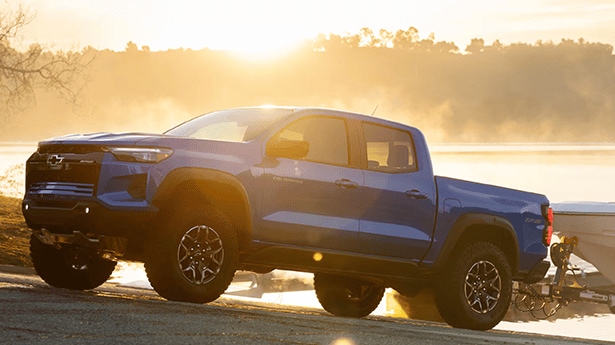
Before setting out on a summer journey with a heavy camper or boat, performing a rigorous mechanical inspection is the most effective way to prevent highway breakdowns. The increased thermal and mechanical stress of hauling thousands of pounds in hot weather will quickly expose any underlying weaknesses in your truck's cooling, braking, or suspension systems. Because our local region is part of the salt-belt, trucks here experience heavy winter road-salt use that can accelerate corrosion on underbody components, wiring harnesses, and brake lines. Ensuring these systems are clean and structurally sound before the summer heat hits is a critical first step.
A comprehensive pre-towing check should always begin with a meticulous fluid analysis. Engine oil, transmission fluid, and engine coolant must be at their proper operating levels and free of contaminants. Under heavy loads, your engine and transmission generate extreme heat, relying entirely on fresh lubricants and a clean cooling system to prevent catastrophic failure. Next, inspect the braking system on both your truck and your trailer. Look for uneven pad wear, rotor scoring, or any signs of moisture along the hydraulic lines. Finally, verify that your tires—including the spare—are inflated to the exact cold-pressures listed on your door jamb placard, and inspect the sidewalls for dry rot or embedded debris.
If you notice any soft braking response, fluid discoloration, or unusual vibrations during your daily drive, it is highly recommended to have our factory-trained technicians perform a professional multi-point inspection. To get your truck fully prepared for the demanding summer heat, you can easily schedule your service appointment online with our specialized maintenance team. For those who prefer to drop off their vehicle or speak directly with a service advisor, you can find our service center location right on Harcourt Road, or simply give us a quick call to discuss any specific mechanical concerns before your trip.
Understanding the Maximum Towing Capacity of the 2025 Chevrolet Silverado 1500
What is the actual limit of your truck's hauling capability? The maximum towing capacity of the 2025 Chevrolet Silverado 1500 is 13,300 lbs., but achieving this rating requires a very specific mechanical configuration. This peak capability is only available on models equipped with either the Duramax 3.0L Turbo-Diesel engine or the 6.2L EcoTec3 V8 engine, paired with the specialized Max Trailering Package and 20-inch wheels. If your truck features a different powertrain or lacks the heavy-duty cooling and suspension upgrades of the trailering package, your actual towing limit will be lower.
Operating near your vehicle's limit places immense stress on the drivetrain, making regular maintenance of your towing hardware absolutely vital. The Max Trailering Package includes crucial mechanical upgrades such as a 9.76-inch rear axle, a 3.42 axle ratio, heavy-duty rear springs, revised shock tuning, and an enhanced cooling radiator. Over time, the increased stress of pulling heavy loads can wear down suspension bushings, stretch leaf springs, and degrade the rear axle lubricant. Keeping these heavy-duty components properly lubricated and serviced is the only way to preserve your truck's rated capacities over its lifespan.
For owners who regularly haul near their limit, replacing worn hardware with genuine OEM components is essential for maintaining safety and structural integrity. If you need to replace your integrated trailer brake controller, upgrade your receiver hitch, or install heavy-duty trailering mirrors, you can submit a parts order form directly to our department to secure factory-certified components. Using exact-fit OEM parts ensures that your truck's safety systems, frame mounts, and electrical connections function exactly as the manufacturer intended.
Is the 5.3L V8 Engine Sufficient for a 7,000-Pound Camper?
Are you wondering if the popular mid-tier engine option can handle a standard family camper? The 5.3L EcoTec3 V8 engine is highly capable, delivering 355 horsepower and 383 lb-ft of torque through a smooth 10-speed automatic transmission. When properly configured with the correct axle ratio and trailering equipment, this engine is rated to tow up to 11,300 lbs., which means a 7,000-pound camper trailer falls well within its safe operating envelope. This leaves a comfortable safety margin of over 4,000 pounds to account for passengers, heavy gear, and filled water tanks.
From an ownership and maintenance perspective, the 5.3L EcoTec3 V8 is highly regarded for its long-term durability, but it does require disciplined upkeep to perform its best under load. This engine utilizes Dynamic Fuel Management, an advanced system that deactivates cylinders to save fuel when extra power is not required. When towing, however, the engine will run continuously on all eight cylinders to maintain momentum. This prolonged high-load operation accelerates engine oil degradation. If you regularly pull a 7,000-pound camper, you should adhere to a stricter maintenance schedule, changing your oil and filter more frequently than the standard oil life monitor might otherwise suggest.
Additionally, pulling a large camper creates significant wind resistance, forcing the engine to work harder even on flat highways. This constant load increases the operating temperatures of both the engine oil and the spark plugs. Ensuring your air filter is completely clean and replacing your spark plugs at the recommended intervals will prevent engine misfires and maintain peak combustion efficiency. By staying on top of these basic preventative services, your V8 engine will easily manage heavy campers for years without losing power or efficiency.
Do You Need a Transmission Cooler for Hilly Ohio Towing?
Does navigating elevation changes with a trailer require extra hardware to protect your gearbox? When you are pulling a heavy load through the hilly terrain typical of southern Ohio, your transmission is subjected to continuous gear hunting and torque converter slip, both of which generate massive amounts of internal heat. Transmission fluid degrades rapidly when its temperature exceeds normal operating limits, leading to accelerated clutch wear and potential gear failure. For this reason, keeping your transmission cool is the single most important factor in extending the life of your truck's drivetrain.
Fortunately, Chevrolet builds these trucks to handle demanding environments. Silverado models equipped with the Max Trailering Package or high-output engines come factory-equipped with heavy-duty cooling systems, including auxiliary transmission oil coolers. These systems redirect transmission fluid through an external heat exchanger, shedding heat before the fluid is pumped back into the gearbox. If your truck is frequently used to haul campers or boats through steep, rolling terrain, verifying that this cooler is free of dirt, road debris, and bent cooling fins is an essential seasonal maintenance task.
For older trucks or models without the factory auxiliary cooler, installing an OEM-certified transmission cooler is a highly recommended upgrade. Our service team regularly inspects transmission fluid condition during routine maintenance; if your fluid smells burnt or has turned a dark brown color, it is a clear sign that your transmission is running too hot. Replacing degraded fluid and maintaining a clean cooling path will protect your transmission from the thermal stresses of hill climbing and heavy summer hauling.
How Advanced Trailering Technology and Transparent Trailer View Keep You Safe
How does modern technology take the anxiety out of maneuvering a massive trailer on busy highways? The 2025 Silverado offers an advanced In-Vehicle Trailering System that supports up to 14 camera views, providing unparalleled situational awareness. Among these features, the innovative Transparent Trailer View stands out by allowing the driver to virtually "see through" the camper or boat behind them. This system utilizes an auxiliary camera mounted on the rear of the trailer, combining its feed with the truck's tailgate camera to create a seamless, real-time composite view of the road behind.
Operating these advanced camera systems requires a fully functioning electrical architecture. The trailer-mounted camera relies on a physical cable connection that plugs directly into the truck's bumper port. This connection point is highly susceptible to road grime, moisture, and terminal corrosion, especially in salt-belt regions. If the camera feed flickers or fails to connect, our service technicians can test the wiring harness, clean the electrical contact pins, and ensure the truck's software is updated to the latest version to restore perfect functionality.
Beyond cameras, the truck integrates smart safety systems like Trailer Side Blind Zone Alert. This technology extends the vehicle's blind-spot monitoring zones down the entire length of your connected trailer, warning you of hidden vehicles before you attempt a lane change. Because these systems rely on precise radar sensors housed inside the truck's rear bumper corners, keeping the bumper clean and free of physical damage is critical. If a sensor becomes misaligned due to a minor parking lot bump, our certified service team can recalibrate the radar array to ensure your safety systems remain active and accurate.
Comparing Silverado Bed Lengths and Cargo Dimensions for Outdoor Gear
Choosing the right cargo configuration is essential for organizing your camping gear, generators, and lake supplies. Chevrolet offers three distinct bed lengths to balance cabin space with utility: the short bed at 5 feet 10 inches, the standard bed at 6 feet 6 inches, and the long bed at 8 feet long. The highly popular Crew Cab configuration is typically paired with the short bed for easier daily maneuvering, but outdoor enthusiasts who carry heavy gear alongside a trailer often opt for the standard bed to maximize their payload layout.
Every Silverado bed is built using Durabed construction, which utilizes roll-formed high-strength steel to resist dents and punctures from heavy cargo. The bed design is highly optimized for utility, offering best-in-class standard cargo volume, including up to about 89 cubic feet of space on long bed models. To keep your gear secure on rough roads, the bed features 12 standard tie-downs rated at 500 lbs per corner, allowing you to anchor heavy items like coolers, toolboxes, and dirt bikes with absolute confidence.
Maintaining your truck bed's utility involves protecting the steel from moisture and physical wear. Over time, scratches in the paint can expose raw steel to rainwater, leading to localized rust. Installing a factory spray-on bedliner or utilizing all-weather cargo organizers will keep moisture away from the metal. Additionally, if your truck is equipped with the available Multi-Flex Tailgate or the 120-volt cabin-grade bed outlet, regular inspections of the tailgate's electronic release mechanisms and the outlet's weather-sealed cover will ensure these convenience features remain fully operational during your outdoor adventures.
Common Questions About Servicing Your Silverado for Summer Towing
Before heading out on your next major road trip, addressing common maintenance questions can help you avoid unexpected issues on the road.
Q: How often should I change my transmission fluid if I tow regularly?
Under normal driving conditions, modern transmission fluids can last a long time, but frequent towing changes the service interval dramatically. Hauling heavy campers or boats through hilly terrain subjects the fluid to extreme heat, which breaks down its protective viscosity. We recommend having your transmission fluid inspected every 45,000 miles, or sooner if you notice delayed shifts or discolored fluid on the dipstick.
Q: Why is my trailer brake controller showing a connection error on the dashboard?
A connection error message is almost always caused by a poor physical connection or corrosion inside the 7-pin trailer plug. Road grime, water, and winter road salt can build up inside the bumper receptacle, preventing the electrical signals from reaching the trailer brakes. Cleaning the plug terminals with electrical contact cleaner and applying dielectric grease will usually resolve the issue, though a damaged trailer wiring harness may require professional repair.
Q: Do I need to adjust my tire pressures when switching from daily driving to towing?
Yes, you must adjust your tire pressures to accommodate the heavy tongue weight of a trailer. While your front tires may remain near their standard pressure, your rear tires often need to be inflated to their maximum rated cold pressure—which is listed on the tire sidewall—to handle the extra load safely. Always check and adjust tire pressures when the tires are cold, before you begin driving.
Q: Can a worn suspension affect how my truck handles while pulling a trailer?
Worn rear shock absorbers or sagging leaf springs will significantly degrade your towing safety. A worn suspension allows the trailer to bounce excessively, which transfers weight off your truck's front steering axle and reduces your braking traction. If you notice your truck sagging excessively in the rear or swaying at highway speeds, our service team can inspect your suspension components and recommend heavy-duty replacements to restore proper ride height and control.
If you are experiencing any of these issues or want a professional technician to verify your truck's roadworthiness, please contact our service department directly. You can reach our team by calling (740) 358-0441, or you can get turn-by-turn directions to visit our facility at 510 Harcourt Rd, Mt Vernon, OH 43050 to speak with a parts or service specialist in person.
Categories:
News