

Rural roads ask a lot from a vehicle. One mile may be a clear two-lane stretch, and the next may bring faded lane markings, a hidden driveway, or a slower vehicle turning in front of you. Chevy Safety Assist is built for that kind of driving, with six core features that work together to support attention, spacing, and braking when conditions get busy.
The standard suite includes Automatic Emergency Braking, Forward Collision Alert, Front Pedestrian Braking, Lane Keep Assist with Lane Departure Warning, Following Distance Indicator, and IntelliBeam. Each one handles a different part of the drive. Forward Collision Alert warns you when traffic ahead slows suddenly. Automatic Emergency Braking can add braking support in specific situations. Lane Keep Assist helps when the vehicle starts to drift across detected lane lines, while Following Distance Indicator shows the gap time to the vehicle ahead so you can judge spacing with less guesswork.
That matters on changing roads around Mount Vernon, where the route can shift from town traffic to open stretches with more space between stops. It also matters for drivers coming from Mansfield, where flat terrain and agricultural edges can make lane edges and crossing traffic easier to misread in low light. On roads like that, the technology does not take over driving. It adds alerts and support where a human driver benefits from a second layer of awareness.
Chevy Safety Assist is standard on virtually every 2026 Chevrolet sedan, crossover, SUV, and pickup, so shoppers do not need to climb into a premium trim just to get the core safety tools. That makes the buying conversation easier, especially for families trying to stay within a practical budget while still getting modern driver assistance. If you want to see how these systems behave in person, stop by our Mount Vernon showroom or give (740) 358-0441 a quick call and we can walk through the features with you.
How IntelliBeam Automatic High Beams Improve Nighttime Visibility in Mount Vernon
IntelliBeam is one of the easiest Chevrolet safety features to appreciate on a dark country road. It automatically turns the high beams on and off based on surrounding traffic conditions, so you can use high-beam help more often without constantly reaching for the stalk. That is useful when a road has long dark stretches, sudden oncoming headlights, or a curve where you need more light for a few extra seconds and then need to dim quickly.
The system works best when the camera can read traffic and lighting clearly, which is why road conditions, weather, and lane visibility still matter. Even so, it can reduce the amount of manual headlight switching a driver has to do. That matters on the way home through the hills and river valleys around Mount Vernon, where the Kokosing Gap Trail corridor and other lower-light stretches can make nighttime driving feel more demanding than the daytime route suggests.
A good way to think about IntelliBeam is as a visibility aid, not a replacement for judgment. It helps the driver keep the road lit more often, while still dimming for other traffic. On rural Ohio roads, that balance can help you see farther ahead without creating glare for another driver coming the other way.
If you are shopping used, this is also a good feature to check during a test drive. Our current used-vehicle inventory often includes Chevrolet models with IntelliBeam, and it is worth verifying how the system responds on the kind of roads you actually drive. A short night drive will tell you more than a spec sheet can.
Do Rural Drivers Lose Core Safety Features Without Connected Software Subscriptions
The core Chevy Safety Assist features are built into the vehicle itself, so rural drivers do not lose those basics just because they do not pay for connected services. Automatic Emergency Braking, Forward Collision Alert, Front Pedestrian Braking, Lane Keep Assist with Lane Departure Warning, Following Distance Indicator, and IntelliBeam remain standard safety technology, not subscription extras.
That distinction matters when buyers are comparing total ownership costs. Connected services can add convenience, remote access, or advisor support, but they are separate from the core safety suite. A shopper should treat the safety package and the connected-service plan as two different decisions.
For buyers who are looking at a new Chevrolet and want to sort out the numbers early, the easiest next step is to start a financing application and see where the purchase fits before narrowing trim. That keeps the conversation focused on the features you want rather than guessing at the payment side first.
On the safety side, the important takeaway is simple: the vehicle’s base driver-assist tools stay with the vehicle. For families driving between small towns, farm roads, and highway connectors, that permanence is part of the value.
Pricing
Pricing by trim:
| Feature | ACTIV | LT | RS |
|---|---|---|---|
| Base MSRP | $33,600 | $28,800 | $33,600 |
| Destination charge | $1,995 | $1,995 | $1,995 |
Comparing 2025 Chevrolet Tahoe Trims for Country Roads and Family Utility
The 2025 Chevrolet Tahoe is the larger, more expensive choice in this conversation, but it brings size that many rural families actually use. It offers three rows, available seating for up to nine on the LS, and a cargo area that works well for school bags, sports gear, and long weekend trips. The trim lineup includes LS, LT, RST, Z71, Premier, and High Country, so the decision usually comes down to how much comfort and capability you want to pay for.
For country roads, the Z71 is the trim that makes the most direct sense. It is the off-road-focused version, and four-wheel drive is included with it. The LS is the value play if you want the Tahoe format without adding extra luxury equipment. The LT adds more convenience, while Premier and High Country move the truck toward a more upscale feel for buyers who spend a lot of time behind the wheel.
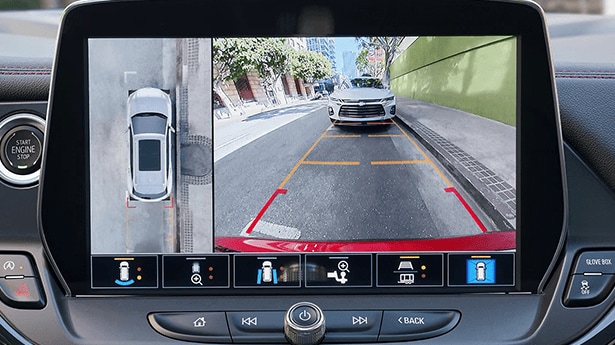
The 2025 Tahoe also got a refresh that matters on the showroom floor. The updated dashboard and 17.7-inch touchscreen give the cabin a more modern look, and adaptive cruise control plus a 360-degree camera are now standard. For rural use, that combination helps during long highway runs and tight parking in town.
If you are evaluating whether the Tahoe is worth the jump, your current vehicle matters too. A trade-in can narrow the difference quickly, so it is smart to value your current vehicle before you settle on a trim. That gives you a clearer picture of whether the LS, LT, or Z71 is the better fit for the way you actually drive.
Engine & Performance
Powertrain specs by trim
| Feature | ACTIV | LT | RS |
|---|---|---|---|
| Engine | 1.5L | 1.5L | 1.5L |
| Horsepower | 175 hp | 175 hp | 175 hp |
| Torque | 184 lb-ft | 184 lb-ft | 184 lb-ft |
| Transmission | CVT | CVT | CVT |
| Drivetrain | Front-wheel drive | Front-wheel drive | Front-wheel drive |
Evaluating the 2026 Chevrolet Tahoe Powertrain for Long Rural Highway Cruising
The 2026 Chevrolet Tahoe is built for long highway miles, and the available powertrains give it a flexible feel for that kind of driving. The 5.3-liter V8 is the everyday choice, while the 6.2-liter V8 brings more passing strength for drivers who regularly pull trailers or want extra reserve power. A 3.0-liter turbo-diesel is also part of the lineup, and that engine stands out for long-distance cruising because it combines strong low-end torque with better fuel economy than the larger gasoline V8s.
For rural highway use, the diesel makes a strong case. It was designed to keep the Tahoe relaxed at speed, which matters when the drive between fuel stops is longer than a typical city commute. The 10-speed automatic also helps the SUV settle into a steady rhythm on open roads.
The Tahoe’s size cuts both ways. It gives you space, towing ability, and a calmer feel on long trips, but it also asks more at the pump than a smaller SUV. That is why the purchase decision often comes down to use case rather than badge appeal. A family that regularly hauls people, luggage, or a trailer can get a lot from the Tahoe’s layout, while a smaller crossover makes more sense if the daily routine is lighter.
For Columbus shoppers, the Tahoe’s highway manners can be especially appealing on longer cross-town drives and weekend trips. The key is to choose the powertrain that matches your actual miles, not just the biggest engine on the list.
Common Questions About Chevrolet Safety Technology and Vehicle Purchasing
Chevy Safety Assist is standard on 2026 Chevrolet models, and IntelliBeam is part of that package. Buyers who want to compare new models can start with our current new-vehicle inventory and sort by the features that matter most. The fastest way to narrow the field is to match the right safety tech to your drive pattern and budget.
The Tahoe question is a different one. It is about space, trim, and whether the larger SUV size earns its place in your driveway. A short test drive usually answers that better than a long comparison chart.
Categories:
News