

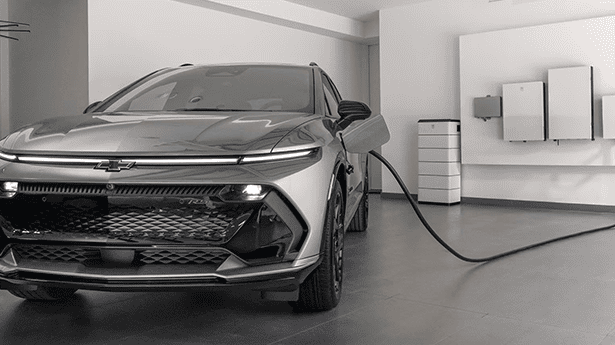
Deciding between a traditional internal combustion engine and an electric powertrain is the most significant choice facing SUV buyers today. While both models carry the same nameplate, they serve different driving profiles depending on your daily habits and access to charging. For many residents in Mount Vernon, the decision often comes down to the balance between the historic, familiar reliability of a gasoline engine and the high-tech, high-efficiency promise of the Ultium platform. The gas-powered 2026 Equinox remains a regional hub of versatility for those who frequently travel between rural Knox County and the surrounding areas, while the EV version offers a glimpse into a fuel-free future.
Our team is here to help you navigate these differences in person, and we encourage you to visit our showroom to see how each model feels behind the wheel. Whether you are looking for the proven performance of a turbo engine or the silent torque of an electric motor, we can walk you through the specific benefits of each. If you have immediate questions about our current availability, feel free to give us a quick call to speak with one of our specialists.
Structural and Design Differences: Two Distinct Vehicles Sharing One Famous Name
The 2026 Equinox features a 1.5L I4 engine and a bold, truck-like redesign that emphasizes a muscular, squared-off stance. It is built for utility, offering a maximum cargo capacity of about 64 cubic feet with the rear seats folded flat. In contrast, the Equinox EV is built on a dedicated electric architecture, resulting in a longer wheelbase and a wider footprint. While the EV has a sleek, aerodynamic profile, its interior packaging is slightly different; it offers about 57 cubic feet of maximum cargo space. This difference is largely due to the floor-mounted battery pack, which provides a low center of gravity but alters the vertical storage height compared to the gas model.
If you are looking for a vehicle that fits into your existing routine without any changes to your home infrastructure, you can browse our new inventory to see the latest gas-powered arrivals. For those who prefer a pre-owned option with a proven track record, we also invite you to explore our used inventory for high-quality crossovers that meet your budget. The gas model’s Automatic transmission and 4WD system are designed for straightforward, dependable operation on varied road surfaces.
Upfront Costs and Trim Level Value Propositions
One common misconception is that the price gap between gas and electric models is insurmountable. The 2026 Equinox LT starts at $33,886 (estimated), providing a high level of standard equipment including heated front seats and a drive mode selector. The sportier RS trim is priced at $38,580 (estimated), while the adventure-oriented ACTIV trim comes in at $38,622 (estimated). On the electric side, the Equinox EV LT 1 starts at $34,995 (estimated). While the EV has a slightly higher base MSRP, many buyers find that federal tax credits and long-term fuel savings quickly bridge that initial difference.
Pricing
MSRP and destination charges (source: MarketCheck VIN Decode (consensus))
| Feature | LT | RS | ACTIV |
|---|---|---|---|
| Starting MSRP | $33,886 | $38,580 | $38,622 |
Lowest starting MSRP: LT at $33,886
Engine & Performance
| Feature | Standard across all trims |
|---|---|
| Engine | 1.5L I4 |
| Transmission | Automatic |
| Drivetrain | 4WD |
To help you manage the transition to a new vehicle, our team can help you value your trade-in to see how much equity you can apply toward your purchase. Once you have a better idea of your budget, you can prequalify for financing online to save time when you visit the dealership. Choosing between the LT, RS, and ACTIV trims allows you to prioritize either everyday value, sporty aesthetics, or off-road capability, ensuring you don't pay for features you won't use.
Powertrain Performance: Horsepower, Torque, and Real-World Muscle
When shoppers compare these side-by-side on our lot, the first thing they usually ask is how the electric motors stack up against the traditional turbo engine in terms of passing power. The gas-powered 2026 Equinox utilizes a 1.5L I4 turbocharged engine producing 175 hp and 203 lb-ft of torque. This powertrain is paired with an Automatic transmission and standard 4WD, delivering a consistent and familiar driving experience that is well-suited for the undulating terrain and rolling hills found around Newark. It provides an EPA-estimated 25 city / 30 hwy MPG, making it a competitive choice for those with longer highway commutes.
Warranty
Factory warranty coverage
| Coverage | Duration |
|---|---|
| Basic | 3 years / 36,000 miles (bumper-to-bumper). |
| Powertrain | 5 years / 60,000 miles (powertrain). |
| Corrosion | Rust-through protection: typically 6 years / 100,000 miles; corrosion protection (covering rust-through holes in panels): 3 years / 36,000 miles (as described on Chevrolet’s coverage page). |
| Roadside Assistance | 24-hour Roadside Assistance and Courtesy Transportation for 5 years / 60,000 miles (whichever comes first). |
The Equinox EV, however, offers a significant jump in raw performance figures. The front-wheel-drive version delivers approximately 220 hp, while the eAWD variant pushes that number to 300 hp. Because electric motors provide maximum torque instantly, the EV feels much quicker off the line than its gas counterpart. Interestingly, despite the power difference, both vehicles share a maximum towing capacity of 1,500 lb when properly equipped, meaning you won't lose light-duty hauling capability by going electric.
Charging Logistics and Home Charging Times for the Equinox EV
How long does it actually take to live with an electric vehicle in a cold-winter climate? For most owners, the answer lies in home charging. Using a Level 2 AC charger (48-amp), the Equinox EV can typically be fully replenished in about 4 to 6 hours, making it easy to "fill up" overnight. On the road, DC fast-charging capability allows you to add approximately 70 miles of range in just 10 minutes. This is essential for longer trips, though most daily driving is easily covered by the EPA-estimated 319 miles of range on a full charge.
Fuel Economy
| Feature | Standard across all trims |
|---|---|
| City MPG | 25 mpg |
| Highway MPG | 30 mpg |
| Combined MPG | 28 mpg |
| Fuel Type | Unleaded |
It is important to note that local weather plays a role in EV performance. In our region, we are considered part of the salt-belt, and prolonged sub-freezing temperatures can impact battery efficiency. You should expect a winter range loss of between 15% and 30% on the coldest days. To mitigate this, we recommend using the cabin preconditioning feature while the vehicle is still plugged in, which draws power from the grid rather than the battery to warm the interior.
Cabin Technology, Interior Comfort, and Safety Comparisons
The 2026 Equinox gas model comes standard with an 11.3-inch diagonal infotainment touchscreen that includes Google Built-In compatibility. This allows for seamless voice commands and navigation without needing to plug in your phone. The Equinox EV takes the digital experience a step further with a massive 17.7-inch diagonal center touch-screen, which is currently the largest in its class. Both vehicles prioritize driver awareness with Chevy Safety Assist, a suite that includes Automatic Emergency Braking, Front Pedestrian Braking, and Lane Keep Assist with Lane Departure Warning.
Safety & Driver Assistance
| Feature | Standard across all trims |
|---|---|
| Overall evaluation: A (applies to 2025-26 models). | ✓ |
| Whiplash prevention: A (rating applies to 2025-26 models) | ✓ |
Inside the cabin, the gas model offers a more traditional layout with physical knobs for climate control, which many drivers prefer for ease of use while wearing gloves in the winter. The EV features a more minimalist, modern aesthetic with multi-color ambient lighting and a digital-first interface. Both models provide standard heated front seats and a heated steering wheel on the LT trim and above, ensuring comfort during our chilly Ohio mornings.
Long-Term Ownership Costs and Making Your Final Decision
If your daily routine involves a predictable commute and you have the ability to install a charger at home, the Equinox EV offers substantial savings on maintenance, as it requires no oil changes or traditional engine tune-ups. However, if you frequently tow near the 1,500 lb limit or travel long distances into areas where charging infrastructure is still developing, the gas Equinox with its 25 city / 30 hwy MPG remains the more flexible choice. Both are backed by a 3 years / 36,000 miles bumper-to-bumper warranty, while the EV adds an 8 years / 100,000 miles warranty specifically for the battery.
Ultimately, the best way to decide is to see these vehicles in person. We invite you to stop by our Mount Vernon location to compare the cargo space and seating comfort for yourself. Our staff is ready to answer any questions you have about the transition to electric or the latest features in our gas-powered lineup. Give us a call at (740) 358-0441 to schedule your back-to-back test drive today.
Quick Answers Regarding the Equinox Lineup
Q: Does the Equinox EV require a special tire compared to the gas model?
Electric vehicles are generally heavier due to the battery pack and produce instant torque, which can lead to faster tire wear. The Equinox EV often comes equipped with tires specifically designed with a higher load rating and lower rolling resistance to maximize range. While you can use standard tires, using EV-specific replacements helps maintain the quiet cabin and the estimated 319 miles of range.
Q: Can I use a standard 120V household outlet to charge the Equinox EV?
Yes, you can use a standard three-prong outlet, often called Level 1 charging. However, it is very slow, typically adding only about 3 to 5 miles of range per hour. This is usually only sufficient for drivers with very short daily commutes. For a practical experience, we recommend a 240V Level 2 home installation.
Q: Is the 4WD system in the gas Equinox the same as the AWD in the EV?
They function differently. The gas model uses a mechanical linkage to send power from the 1.5L I4 engine to the rear wheels when needed. The Equinox EV with eAWD uses two separate electric motors—one on each axle. This allows for more precise torque distribution and faster response times in slippery conditions, as there is no mechanical delay in engaging the second motor.
Q: What happens to the Equinox EV battery after the 8-year warranty expires?
Modern lithium-ion batteries are designed to outlast the typical usable life of the vehicle. While some degradation is natural—often estimated at 1% to 2% per year—the battery will still be functional. Chevrolet’s 8 years / 100,000 miles warranty specifically protects against excessive capacity loss, ensuring your investment is secure for the long haul.
Q: Are there any specific exterior colors unique to one model?
While many colors like Radiant Red Tintcoat are shared, certain combinations like the Summit White Roof or the Mosaic Black Metallic Roof are specific to certain trims of the gas model. The EV often features unique lighting signatures, such as an available front light bar that performs a choreographed animation when you approach the vehicle.
Take the Next Step Toward Your New Equinox
The best way to determine which powertrain fits your lifestyle is to experience the difference in person. Whether you are drawn to the $33,886 starting price of the gas model or the advanced 17.7-inch diagonal center touch-screen in the EV, our team is prepared to show you every detail. We invite you to visit our showroom to compare these two crossovers side-by-side and see which one earns a spot in your driveway. Browse our new Equinox inventory today to find the trim and color that matches your style, and then reach out to schedule your test drive.
*Prices and MSRP referenced in this article are estimates for informational purposes only and do not constitute an offer to sell. See dealer for complete details. *Fuel economy estimates shown may differ from official EPA ratings and should not be relied upon as a guarantee of actual vehicle performance.
Categories:
News