

When families stop by our service desk before a July road trip, they often ask why a summer check-up is so much more critical than a spring one. The answer lies in the extreme thermal stress that July and August put on every mechanical system in your vehicle. While winter is known for cold starts, the high temperatures of an Ohio summer can be even more taxing on your engine, battery, and tires. Ensuring your vehicle is prepared for the drive to Ariel-Foundation Park or a longer haul across the state prevents the cooling system from failing when you need it most.
Our team focuses on proactive care to help you avoid the inconvenience of a breakdown in the middle of a heatwave. High ambient temperatures force the engine to work significantly harder to dissipate heat, which can lead to accelerated wear on belts and hoses that might have seemed fine in April. By taking a few moments to schedule your service appointment now, you can ensure that your vehicle's vital components are inspected by technicians who understand the specific demands of our regional climate.
Under the Hood: How Extreme Heat Stresses Your Cooling System
High temperatures under the hood put a massive load on the radiator and cooling fans, especially when navigating the humid Licking River valley near Newark. The cooling system is your vehicle's primary defense against engine failure, as it must circulate coolant effectively to keep internal temperatures within a safe operating range. During an Ohio summer, the difference between a functional system and an overheated engine often comes down to the condition of the radiator hoses and the quality of the coolant itself.
We recommend checking the coolant level at the full cold line before you start your vehicle for the day. If the level is consistently low, it may indicate a slow leak or a hairline crack in a hose that expands under the pressure of summer driving. For larger SUVs like the 2026 Chevrolet Tahoe, which often carries heavier passenger loads, the cooling system must also account for the heat generated by the transmission. If our technicians find that a component is reaching the end of its lifespan, you can easily order genuine parts through our department to ensure a perfect fit and manufacturer-backed reliability.
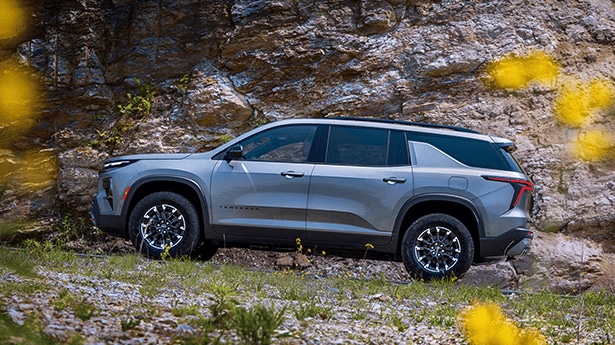
Beyond the fluid itself, the physical condition of the radiator is vital. Road debris and insects can clog the delicate fins of the radiator, restricting the airflow necessary for heat exchange. Our multi-point inspection includes a visual check of these components to ensure your vehicle can breathe properly. This is particularly important for models like the 2026 Chevrolet Traverse, which features a 2.5L I4 engine designed for efficiency but requiring consistent airflow to manage thermal loads during stop-and-go traffic.
Cabin Comfort and Air Conditioning Performance in Peak Summer
Maintaining the air-conditioning system is more than a matter of comfort; it is a safety priority that directly affects driver alertness. When the cabin temperature rises, driver fatigue can set in more quickly, making it harder to stay focused during long stretches of highway. A properly functioning AC system removes both heat and humidity from the air, creating a stable environment for all passengers. If your air conditioning is blowing lukewarm air or taking an unusually long time to cool the cabin, it is often a sign that the refrigerant level is low or the cabin air filter is obstructed.
The cabin air filter is a frequently overlooked component that plays a major role in airflow. Over the spring, these filters can become clogged with pollen and dust, which restricts the volume of air the blower motor can push into the interior. Replacing a dirty filter not only improves the smell of the cabin but also reduces the strain on the AC compressor, potentially extending the life of the entire system. In vehicles like the 2026 Chevrolet Equinox, a clean filter ensures the climate control system can maintain your preferred temperature without running at maximum capacity constantly.
If a simple filter change does not restore cooling performance, a professional diagnostic may be required. Technicians can test for leaks in the AC lines using specialized dyes and check the operation of the compressor clutch. Catching a small refrigerant leak early is much more cost-effective than replacing a seized compressor later in the season. Ensuring your system is recharged and ready before the first major heatwave hits is the best way to guarantee a comfortable summer.
Engine Protection: Maximizing Oil Life and Coolant Health
Modern engines like the 1.5L I4 found in the 2026 Chevrolet Equinox rely on clean oil to manage internal friction during high-heat cycles. While many drivers associate oil changes with mileage, the Oil Life Monitoring System in Chevrolet vehicles also accounts for operating temperatures and driving conditions. Extreme heat causes engine oil to thin out and break down more rapidly, which reduces its ability to lubricate moving parts effectively. Even if you have not hit your mileage limit, General Motors specifies that the engine oil and filter should be changed at least once every 12 months to maintain the 3 years / 36,000 miles bumper-to-bumper warranty protections.
Coolant health is equally critical, as the chemical additives in the fluid that prevent corrosion can deplete over time. Fresh coolant not only has a higher boiling point than plain water but also protects the internal metal surfaces of the engine and radiator from rust and scale buildup. For most local drivers, we suggest a coolant flush according to the intervals in your owner’s manual, though a pre-summer check of the fluid’s pH balance can tell us if it is still providing adequate protection.
Using the correct fluids is essential for long-term reliability. Our service center uses only manufacturer-approved oils and coolants that meet the specific requirements of your vehicle's powertrain. This commitment to quality helps maintain the 5 years / 60,000 miles powertrain warranty on your vehicle. By keeping your fluids fresh, you are not just preventing a breakdown today; you are investing in the longevity of your vehicle for years to come.
Critical Safety Checks: Tires, Brakes, and Fluids for Road Trips
Tire pressure management becomes a moving target during Ohio's dramatic temperature swings. Because air expands when heated, your tire pressure can increase significantly as you drive on sun-baked asphalt. However, if your tires were already underinflated during a cool morning, the added heat of highway driving can cause the sidewalls to flex excessively, leading to a blowout. We recommend checking your tires when they are cold—before you start driving—and matching the PSI to the specification found on the driver’s door jamb rather than the maximum pressure listed on the tire sidewall.
Brake performance is another area where heat plays a silent but dangerous role. Frequent braking in heavy traffic or while towing can cause brake fade, a condition where the pads and rotors become so hot they lose their effectiveness. During a summer inspection, our technicians check the thickness of the brake pads and the condition of the brake fluid. Brake fluid is hygroscopic, meaning it absorbs moisture over time, which can lower its boiling point and lead to a spongy pedal feel during hard braking in high temperatures.
Before you set out on a summer adventure, a quick check of all secondary fluids is also necessary. This includes:
- Windshield washer fluid for clearing summer bugs and dust.
- Transmission fluid to ensure smooth shifting under load.
- Power steering fluid for consistent handling.
- Brake fluid levels to ensure system integrity.
Regular tire rotations, typically recommended every 7,500 miles, are also vital before a long trip. This ensures even wear across all four tires, which is essential for maintaining traction on wet summer roads after a sudden afternoon thunderstorm.
Common Questions About Summer Vehicle Care
Q: Does extreme heat affect my car battery more than winter cold? A: Yes, extreme heat is actually more damaging to a battery's internal chemistry than cold weather. High temperatures accelerate internal corrosion and can cause the liquid electrolyte inside the battery to evaporate. If your battery is more than three years old, we recommend a load test before the peak of summer to ensure it won't fail when you are far from home.
Q: Should I keep a portable jump starter in my trunk during the summer? A: A portable jump starter is a great safety tool, but you must be careful about where you store it. The lithium-ion batteries inside these devices are sensitive to extreme heat. If you keep one in your vehicle, try to store it in a cool, shaded spot like under a seat rather than on the rear parcel shelf where direct sunlight can cause it to overheat.
Q: Is it safe to top off my coolant with plain water in an emergency? A: In a true emergency to get off the road, plain water can work, but it should be a temporary fix only. Water has a lower boiling point than a proper coolant mix and lacks the anti-corrosion additives your engine needs. If you have to add water, you should visit our service center as soon as possible to have the system drained and refilled with the correct 50/50 mixture.
Q: How often should I have my brakes inspected for summer driving? A: We recommend a brake inspection at least once a year, or before any major road trip involving heavy loads or mountain driving. Heat is the primary enemy of braking performance, so ensuring your pads have adequate thickness and your fluid is clean is essential for stopping safely on hot pavement.
Categories:
News