

While many drivers prepare for the impact of sub-zero temperatures on their vehicles, summer heat is actually the leading cause of battery failure. In Mount Vernon, the transition from a cold spring to a humid, high-temperature summer creates a volatile environment for lead-acid batteries. The chemical reactions inside a standard battery are designed to operate within a specific range, and when ambient temperatures climb, those reactions accelerate to a point of self-destruction.
The primary mechanism of damage is the evaporation of the battery’s electrolyte fluid. On a typical 90-degree afternoon, the temperature under the hood of a vehicle like the 2026 Chevrolet Silverado 1500 can easily exceed 140 degrees. This extreme heat causes the liquid catalyst to dissipate, which leads to internal corrosion of the lead plates and a permanent loss of cranking power. Once the fluid levels drop, the internal components are exposed to air, leading to rapid oxidation that cannot be reversed by simply recharging the battery.
If you notice your engine cranking slowly or see a dashboard warning light during a heatwave, it is a sign that the internal chemistry has been compromised. Our service team is available to help at (740) 358-0441 to discuss a diagnostic test before you find yourself stranded. For those currently dealing with a vehicle that won't start, you can find our service center location just off Harcourt Road to get a professional assessment and a high-quality replacement.
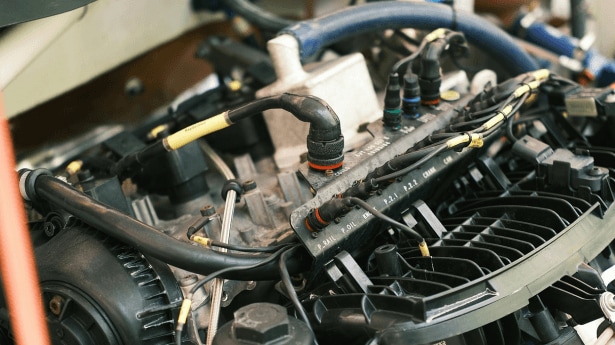
Critical Temperature Thresholds for Battery Cell Damage
At what point does the weather stop being "nice" and start being a threat to your vehicle’s electrical system? Automotive batteries generally perform at peak efficiency between 70 and 80 degrees. Once temperatures consistently exceed 90 degrees, the rate of internal corrosion and fluid loss begins to climb exponentially. This is particularly relevant for daily drivers like the 2026 Chevrolet Equinox, which often utilizes stop-start technology that places frequent, heavy demands on a battery that may already be struggling with thermal stress.
When the internal temperature of the battery case stays elevated for prolonged periods, the lead plates inside begin to warp and shed active material. This process creates a layer of sediment at the bottom of the battery that can eventually lead to a short circuit. Unlike the cold, which simply makes it harder for a battery to provide a charge, heat causes physical, structural damage to the cells. This damage is often "silent," meaning the battery might function fine during the summer but will fail the very first morning the temperature drops in the fall because it no longer has the capacity to handle a cold start.
Maintaining the integrity of the charging system is the best way to combat these thresholds. If a visual inspection reveals a swollen battery case or white, crusty buildup on the terminals, the unit has likely reached its limit. You can use our online parts request form to find the exact OEM battery specified for your model's electrical load. Standardizing your replacement with genuine components ensures that the battery's cold cranking amps and reserve capacity meet the manufacturer's requirements for long-term reliability.
How Summer Stress Accelerates Battery Life Depletion
How many years of service are you actually losing when the sun is beating down? In the coldest regions of the country, a well-maintained battery might last 5 years. However, in regions that experience high summer heat, that lifespan often drops to about 3 or 4 years. The combination of high under-hood temperatures and heavy electrical loads—such as running the air conditioning at maximum capacity—forces the alternator to work harder, which in turn keeps the battery at a higher state of charge and higher temperature.
For local owners who frequently drive in stop-and-go traffic in Newark, the lack of consistent airflow through the engine bay further traps heat around the battery. Short trips are particularly damaging because the alternator does not have enough time to fully replenish the energy used to start the engine. This leaves the battery in a partially discharged state, which, when combined with heat, accelerates a process called sulfation. Sulfation hardens the lead plates and makes it much more difficult for the battery to accept or hold a charge in the future.
We often suggest that drivers who have had the same battery for more than three years should have a load test performed annually. This test simulates the draw of a starter motor to see how the battery handles a real-world load. If the voltage drops below a certain point during the test, it indicates that the internal plates have degraded significantly. Catching this early allows for a planned replacement rather than an emergency tow.
Comparing AGM and Standard Flooded Battery Resilience
When it comes time for a replacement, many owners ask if the higher cost of an Absorbent Glass Mat (AGM) battery is justified. Standard flooded batteries use liquid acid that is prone to evaporation and sloshing, which can be a disadvantage in high-heat environments. In contrast, an AGM battery uses fiberglass mats to "soak up" the electrolyte, making it spill-proof and significantly more resistant to vibration and thermal cycling.
While an AGM battery can cost between 40% and 100% more than a standard version, the benefits for a heavy-duty vehicle like the 2026 Chevrolet Tahoe are substantial. The Tahoe has high accessory demands, from rear-seat entertainment to advanced safety sensors, all of which require a stable power source. AGM batteries typically offer:
- Better heat dissipation due to their internal construction.
- A longer service life in extreme climates.
- Faster recharging capabilities.
- Higher resistance to the deep discharge cycles common in modern vehicles with high-tech features.
If your vehicle came from the factory with an AGM battery, it is vital to replace it with the same type. The vehicle's charging system is often calibrated specifically for the charging profile of an AGM unit, and installing a standard flooded battery could lead to premature failure or even damage to the alternator.
Thermal Management and Range Efficiency for Electric Vehicles
Electric vehicle owners face a different set of challenges when the temperature rises. While an EV does not have a traditional starter battery that fails in the same way an internal combustion engine's does, the large high-voltage traction battery is highly sensitive to heat. To protect the battery's longevity, EVs use active thermal management systems—often involving liquid coolant—to keep the cells within an ideal temperature range.
During extreme heat, these cooling systems must work harder, which draws energy directly from the battery and can reduce your driving range. In local driving conditions, owners might see a range decrease as the vehicle balances cabin cooling with battery temperature regulation. To maximize efficiency, we recommend using the preconditioning feature while the vehicle is still plugged into a charger. This allows the car to use grid power to cool the battery and the cabin before you start your trip, preserving the stored energy for the road.
Parking in the shade is also more than just a matter of comfort for EV owners. Reducing the "soak" temperature of the vehicle means the cooling system doesn't have to work as hard when you return to the car. If you are planning a trip through Mansfield, utilizing a garage or a shaded parking spot can help maintain the health of the lithium-ion cells over the long term.
Professional Maintenance Strategies and Heat Shield Benefits
One of the most overlooked components of battery protection is the factory-installed heat shield. Many modern vehicles include a plastic or foam sleeve around the battery designed to block radiant heat from the engine block. During routine service, these shields are sometimes discarded or not reinstalled properly, leaving the battery vulnerable to temperature spikes. Ensuring this insulation is intact is a simple but effective way to extend the life of your electrical components.
Beyond physical shielding, maintaining the cooling system of the vehicle itself plays a major role. A radiator that is clogged or filled with degraded coolant will cause the entire engine bay to run hotter, which directly impacts the battery. A professional radiator flush helps the engine shed heat more efficiently, keeping the environment under the hood much safer for sensitive electronics.
We recommend that you schedule a service appointment if you haven't had your battery and charging system inspected in the last six months. Our technicians don't just check the voltage; they inspect the terminals for corrosion, verify the integrity of the heat shielding, and ensure the alternator is providing the correct output to keep your battery healthy throughout the summer months.
Essential Pre-Summer Battery and Cooling System Diagnostics
What exactly happens during a professional pre-summer inspection? Our goal is to identify the "weak links" in your vehicle's cooling and electrical systems before the first 90-degree day arrives. A comprehensive check includes more than just a battery test; it is a full evaluation of how your vehicle handles heat.
A standard diagnostic at our facility includes:
- Battery Load Testing: Measuring the battery's ability to hold a charge under stress.
- Terminal Cleaning: Removing any oxidation that increases electrical resistance.
- Coolant Analysis: Checking the pH level and boiling point of your engine coolant.
- Belt and Hose Inspection: Looking for cracks or soft spots in the rubber components that drive the water pump and cooling fans.
- Charging System Output: Verifying that the alternator is not overcharging or undercharging the battery.
If you are preparing for a summer road trip or simply want to ensure your daily commute remains uninterrupted, you can give us a quick call to set up a time for a multi-point inspection. Our team at 510 Harcourt Rd, Mt Vernon, OH 43050 is ready to help you navigate the unique challenges of Ohio summers. If you need to drop your vehicle off, you can get easy-to-follow directions to our service department.
Common Questions About Summer Battery Care
Q: Does a battery fail faster in the summer than in the winter?
A: While batteries often "die" in the winter because the cold makes it harder to turn over a thick engine, the actual damage usually happens during the summer. Heat causes internal corrosion and fluid evaporation that permanently weakens the battery. The cold simply reveals the damage that the summer heat already caused.
Q: Can I just add water to my battery if the fluid is low?
A: Most modern batteries are "maintenance-free," meaning they are sealed and you cannot add fluid. If a sealed battery is losing fluid due to heat, it is a sign of internal failure or overcharging, and the unit should be replaced. For older, non-sealed batteries, only distilled water should be used, but this is rarely a permanent fix for heat damage.
Q: Why does my car struggle to start on a very hot afternoon?
A: High temperatures increase electrical resistance in the starter motor and wiring. If your battery is already weakened by the heat, it may not have enough power to overcome that extra resistance. This is often a final warning sign that the battery is about to fail completely.
Q: Will a heat shield really make a difference for my battery's life?
A: Yes. A heat shield can reduce the temperature of the battery case by several degrees by blocking radiant heat from the engine. While it won't stop the ambient air from being hot, it prevents the battery from reaching the extreme temperatures that cause the electrolyte to boil off.
Q: How long does a typical battery replacement take at the dealership?
A: A standard battery replacement usually takes about 30 to 45 minutes. This includes testing the old battery, cleaning the cable connectors, installing the new unit, and performing a final check of the charging system to ensure everything is working correctly.
Protect Your Vehicle's Reliability This Summer
Taking a proactive approach to battery maintenance is the most effective way to avoid the inconvenience of a dead car in the middle of a heatwave. By understanding the science of how high temperatures affect your vehicle's electrical system, you can make informed decisions about when to test and when to replace your equipment. Whether you are driving a hard-working Silverado 1500 or a family-ready Tahoe, the heat is a constant factor that requires professional attention.
Our certified technicians are trained to handle the complex electrical systems of modern vehicles, ensuring that every replacement and repair meets the high standards required for long-term durability. We invite you to schedule your next maintenance visit online to have your battery, cooling system, and charging components thoroughly inspected. Addressing these small issues now ensures that your vehicle remains a reliable partner for all your summer travels.
*Prices and MSRP referenced in this article are estimates for informational purposes only and do not constitute an offer to sell. See dealer for complete details. *Fuel economy estimates shown may differ from official EPA ratings and should not be relied upon as a guarantee of actual vehicle performance.