

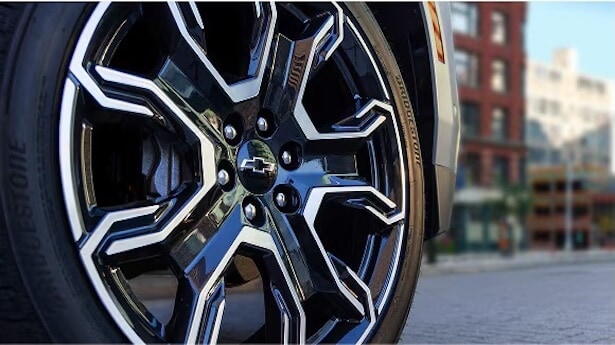
The transition from winter to spring in Ohio brings a familiar and frustrating challenge to the roads. According to the Ohio Department of Transportation, potholes develop when moisture seeps into pavement cracks, then expands and weakens the asphalt through repeated freeze-thaw cycles. For drivers in Newark, these cycles are especially frequent, often leaving major thoroughfares and residential streets riddled with hazards that can compromise a vehicle's structural integrity. When a heavy SUV or a performance sedan strikes one of these deep craters, the impact can lead to immediate tire failure or hidden suspension damage that affects your vehicle's long-term resale value.
Protecting your automotive investment starts with choosing a vehicle equipped to handle these seasonal shifts. Many shoppers who visit us are looking for higher ground clearance and robust wheel assemblies to mitigate the risk of undercarriage damage. If you have recently experienced a severe impact, the NHTSA suggests pulling over safely to inspect for sidewall bulges or bent rims. If the damage is extensive enough to make you consider a more durable replacement, you can find our showroom location easily to explore our current selection of trucks and SUVs designed for local conditions.
When families ask me what to look for on a test drive during pothole season, I tell them to pay close attention to how the suspension dampens rebound after small bumps. A vehicle that feels overly bouncy or harsh may already be suffering from worn components that won't stand up to a rough commute. If you are currently in a situation where a road hazard has left you stranded, you can reach out to Chevrolet Roadside Assistance: 1-800-243-8872 for manufacturer-backed support. For any other questions regarding our current inventory of pothole-resistant vehicles, feel free to give our team a quick call at your convenience.
Proving Government Negligence and Liability for Road Damage
Can you hold the state or a local municipality responsible for the damage caused by a road hazard? In Ohio, the answer depends on the concept of notice. To successfully prove negligence, a driver must demonstrate that the government entity responsible for the road had either actual or constructive notice of the pothole. Actual notice means they had received a specific report or complaint, while constructive notice implies the hazard was so large or had been there so long that they should have known about it through reasonable diligence.
Proving this often requires gathering specific evidence immediately following the incident. Drivers who successfully navigate this process typically document the exact location using mile markers or nearby intersections and take clear photographs of both the pothole and the resulting vehicle damage. If you are driving near the historic architecture of Mansfield, keep in mind that city streets are generally the responsibility of the municipality, while state routes and interstates fall under the jurisdiction of the Ohio Department of Transportation.
If your current vehicle has sustained repeated damage from poorly maintained routes, it might be time to consider a vehicle with a more resilient suspension setup. Many buyers find that trading in a low-slung car for a more capable crossover provides peace of mind during the spring thaw. You can browse our used inventory to find durable SUVs that offer the durability needed for north-central Ohio roads without the premium price tag of a brand-new model.
Filing Deadlines and Documentation for Ohio Damage Claims
Time is a critical factor when seeking reimbursement for property damage from a government agency. For incidents occurring on state-maintained roads, claims must typically be filed through the Ohio Court of Claims. There is often an administrative filing fee, such as $25 for claims under $10,000, and strict deadlines apply. Missing these windows—which can be as short as a few months depending on the specific government entity involved—can result in a total loss of your right to pursue compensation.
To build a strong case, you should maintain a meticulous log of all expenses related to the impact. This includes:
- Itemized repair estimates from a professional technician.
- Photos of the road conditions and the pothole's depth.
- A copy of a police report if one was filed at the scene.
- Documentation of the date, time, and weather conditions during the accident.
While waiting for a claim to process, many drivers find themselves needing to move forward with a more reliable vehicle purchase. If you are ready to transition into a newer model that features modern safety and driver-assist technologies, you can apply for financing online to see what options are available to you. Having your pre-approval ready allows you to shop with confidence, knowing exactly how a new vehicle fits into your budget while you wait for any potential government reimbursement.
Insurance Rate Impacts and Coverage for Single-Vehicle Incidents
Will hitting a pothole cause your insurance premiums to go up? Most insurance providers categorize a pothole strike as a single-vehicle, at-fault accident under your collision coverage. While this means the insurance company may pay for the repairs after you meet your deductible—which is commonly $500 or $1,000—it also means you could see a rate increase upon your policy renewal. For minor wheel or tire damage that costs only slightly more than your deductible, many owners choose to pay out of pocket to avoid the long-term cost of higher premiums.
If the damage is structural or affects the frame, the cost of repair might exceed the actual cash value of the vehicle, leading the insurer to declare it a total loss. In these instances, understanding the current market value of your car is essential. Before you settle with an insurance adjuster, you can value your trade-in using our online tool to get a realistic idea of what your vehicle is worth in the current market.
For those looking to move into a vehicle with a full manufacturer warranty and the latest in heavy-duty suspension engineering, we invite you to browse our new inventory. Many of the 2026 models arriving on our lot feature reinforced chassis designs and tire pressure monitoring systems that provide an extra layer of protection against the unexpected hazards found on the commute between Marysville and the surrounding areas.
Detecting Wheel Misalignment and Suspension Damage Post-Impact
Not all pothole damage is visible to the naked eye. While a blown tire is obvious, a hard hit can easily knock your vehicle's alignment out of specification or damage sensitive suspension components. One of the most common signs of a problem is the vehicle pulling to one side while you are trying to drive straight. You might also notice that the steering wheel is off-center even when the tires are pointed directly forward. These issues, if left unaddressed, will lead to rapid and uneven tire wear, eventually costing you hundreds in premature tire replacements.
Beyond alignment, the physical components of your suspension are at risk during Ohio's pothole season. A severe impact can bend control arms, crack coil springs, or cause shocks and struts to leak hydraulic fluid. If you notice a "bouncy" ride or hear unusual clunking sounds when driving over small bumps, these are indicators that a component has failed. For those driving 2026 EVs, the added weight of the battery pack can sometimes intensify the force of a pothole strike, making it even more important to monitor for changes in handling or ride quality.
Selecting 2026 SUVs and EVs Built for Rugged Ohio Terrain
When shopping for a vehicle that can stand up to the rigors of Ohio roads, the 2026 lineup offers several features specifically designed for durability. For those prioritizing a smooth ride despite road imperfections, look for models equipped with adaptive suspension systems. These technologies can adjust damping rates in milliseconds, helping to isolate the cabin from the harshness of a deep pothole. SUVs like the Chevrolet Tahoe or GMC Yukon offer significant ground clearance and heavy-duty suspension components that are better suited for the undulating terrain around Newark than a standard passenger sedan.
The rise of electric vehicles has also introduced new considerations for durability. While 2026 EVs are engineered with reinforced battery housings, their lower center of gravity and increased mass mean they require robust tire and wheel packages. We often recommend that buyers steer clear of ultra-low-profile tires if their daily route includes poorly maintained secondary roads. A tire with a taller sidewall provides a larger "air cushion," which acts as a primary defense for the rim during an impact. Choosing a trim level with 18-inch or 20-inch wheels rather than 22-inch options can significantly reduce the risk of a cracked wheel when navigating the freeze-thaw cycles of central Ohio.
Quick Answers Before You Visit
Q: Does the Ohio Department of Transportation pay for all pothole damage? ODOT generally only pays for damage if it can be proven they had prior notice of the specific pothole and failed to repair it within a reasonable timeframe. Claims must be submitted through the Ohio Court of Claims, and the state often denies claims if the hazard was caused by recent weather events that did not allow for a repair window.
Q: How do I know if my tire has internal damage after hitting a pothole? Look for a bulge or "bubble" on the sidewall, which indicates that the internal structure of the tire has failed. Even if the tire is still holding air, a bulge represents a significant blowout risk and the tire should be replaced immediately to ensure your safety on the road.
Q: Are 2026 EVs more susceptible to pothole damage? While EVs are not inherently more fragile, their increased weight means that any impact with a road hazard carries more force. This can put additional stress on suspension bushings and wheels, making it important for EV owners to choose durable wheel and tire combinations.
Q: What is the official number for Chevrolet roadside assistance? You can contact the manufacturer directly by calling Chevrolet Roadside Assistance: 1-800-243-8872. This service is included with most new vehicle purchases and provides help with flat tires, towing, and other emergency situations.
Q: Can I get a trade-in appraisal if my car has unrepaired pothole damage? Yes, we accept trade-ins in various conditions. We will factor the cost of necessary repairs into the appraisal, allowing you to apply the remaining value toward a more durable new or used vehicle.
Finding Your Next Durable Vehicle in Mount Vernon
Navigating the challenges of Ohio's roads requires a vehicle that balances comfort with heavy-duty capability. Whether you are dealing with the aftermath of a recent impact or simply want to upgrade to a more resilient SUV or truck, our team is here to help you find the right fit for your lifestyle. We invite you to visit us and experience the latest suspension technologies and safety features in person. You can easily get directions to our dealership to start your search. If you have questions about a specific model or want to check our current availability before driving in, please give us a quick call and we will be happy to assist you.
Keep Your Vehicle Running Strong
Keep your vehicle performing at its best with our service team:
*Prices and MSRP referenced in this article are estimates for informational purposes only and do not constitute an offer to sell. See dealer for complete details.
*Fuel economy estimates shown may differ from official EPA ratings and should not be relied upon as a guarantee of actual vehicle performance