

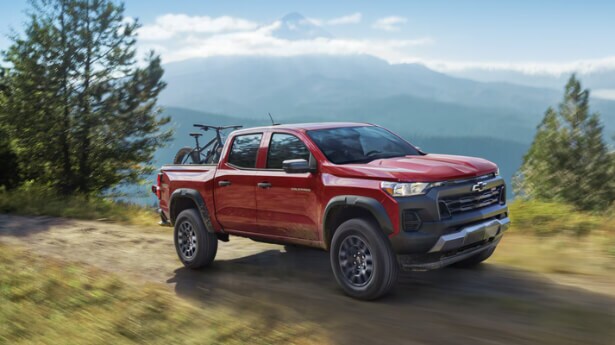
Inspecting a used Chevrolet for winter readiness requires verifying four critical mechanical areas: cold-start electrical health, tire tread depth and rubber age, heating and defrosting performance, and undercarriage rust damage. A thorough evaluation begins before turning the key, continues through an active road test, and concludes with an underbody examination to catch seasonal wear before freezing conditions arrive.
A proper cold-start test sets the tone for your inspection. Cold temperatures significantly reduce battery cranking amperage while thickening engine oil, making starter motors work substantially harder. When you arrive for a test drive, request that the vehicle remain parked and turned off until you can observe the initial startup. Listen for delayed or sluggish cranking from the starter, which points to a weak 12-volt battery or declining alternator output. If the vehicle is a 2026 Chevrolet Silverado 1500 equipped with the 2.7L turbo engine, a healthy starter will fire the engine immediately without hesitation or voltage drops on the instrument display.
Once the engine settles into idle, verify that all dashboard warning lamps extinguish completely. The presence of an illuminated ABS, battery, or traction control indicator warrants immediate mechanical scanning. Take a few minutes to inspect the perimeter of the vehicle on the lot before hitting the road. In Mount Vernon, navigating the rolling topography along the Kokosing River requires reliable all-weather capability, making pre-drive checks indispensable. If you want to consult with our certified technicians before your drive, you can call our service team directly. For comprehensive diagnostic testing or multi-point seasonal assessments, you can set your route using directions to our service department.
What Should You Check on a Used Chevrolet Heating and Defrosting System?
Evaluating the climate system requires testing every fan speed, confirming rapid heat generation across all vent modes, and checking that the rear defroster grid and heated exterior elements clear glass without delay. The cabin heater should deliver substantial, sustained hot air through the central and floor vents within five minutes of the engine reaching operating temperature.
Begin by setting the temperature controls to maximum heat and cycling the blower motor through each fan speed setting. A blower motor that operates only on the highest speed indicates a failed blower motor resistor, while squealing or ticking sounds suggest debris in the cage or failing bearings. Next, cycle through the airflow directional buttons: face, floor, windshield defrost, and bi-level mode. If the airflow direction refuses to switch or you hear a rhythmic clicking behind the dashboard, an electronic blend door actuator is stripped or malfunctioning. A blocked heater core, an air bubble in the cooling lines, or a stuck-open engine thermostat can also prevent hot air from entering the cabin even after prolonged driving.
Test the auxiliary comfort and visibility systems thoroughly:
- Windshield defroster vents: Confirm strong, uninterrupted airflow directly across the glass base.
- Rear window defogger: Activate the grid and verify that the switch illuminates and sends continuous power across all heating lines.
- Heated outside mirrors: Verify the glass warms quickly to prevent ice accumulation.
- Heated seats and heated steering wheel: Ensure elements reach peak warmth within three to five minutes without shutting off unexpectedly.
- Washer fluid delivery: Confirm the washer pump sprays clean fluid evenly without streaking or nozzle clogs.
Addressing climate control hardware failures early avoids expensive dashboard disassembly during freezing weather. If you identify worn actuators, blown blower resistors, or split wiper blades during your check, you can quickly submit an order through our genuine OEM parts request to source factory-correct replacements.
How Do You Evaluate Tire Tread Depth, DOT Age, and Winter Condition?
Winter tire evaluation requires measuring the remaining tread depth in thirty-seconds of an inch across multiple grooves, decoding the Department of Transportation date code on the sidewall, and checking the rubber for micro-cracks or uneven tread wear. Light winter driving requires at least 4/32 inch of tread, while severe snow and slush demand a minimum of 5/32 to 6/32 inch to evacuate slush effectively.
A tire can display legal summer tread depth while failing to grip frozen asphalt. Placing a standard quarter upside down into the tread ribs provides a quick measurement: if the top of George Washington's head remains exposed, the tire has less than 4/32 inch remaining and will struggle on packed snow. For vehicles navigating regional routes into Mansfield where winter storms frequently create packed-snow commutes, dependable rubber is non-negotiable. Inspect the inner and outer shoulders of each tire for feathered edges or center baldness, which reveal worn suspension components or prolonged underinflation.
Rubber compounds naturally harden and lose compliance over time, diminishing traction in sub-freezing temperatures even if the tread appears thick. Locate the DOT code stamped into the tire sidewall, which ends in a four-digit sequence. The first two digits signify the week of production, while the final two digits mark the calendar year. A code showing 2419 indicates the tire was produced during the 24th week of 2019. Industry standards and manufacturer safety guidelines recommend retiring tires once they reach six years of age regardless of tread depth, as internal steel belt separation risks increase. To ensure balanced grip, schedule your inspection and mounting through our online maintenance scheduler before winter weather arrives.
How Do You Test Chevrolet AWD, 4WD, and StabiliTrak Systems Before Winter?
Testing a Chevrolet all-wheel-drive or four-wheel-drive platform involves verifying physical mode engagement, checking for mechanical binding during low-speed maneuvers, and ensuring the StabiliTrak control module operates without warning lights. The transfer case or drive module must engage smoothly and quietly without grinding, delayed shuddering, or persistent driveline clunks.
Different Chevrolet models feature distinct drivetrain configurations tailored to specific weight and chassis requirements:
- Crossovers like the 2026 Chevrolet Equinox provide available all-wheel drive, paired with a 1.5L engine and CVT, using an automated active system to manage front-to-rear torque distribution.
- Mid-size models such as the 2026 Chevrolet Traverse pair an automatic 8-speed transmission and a 2.5L engine with an all-wheel-drive system featuring selectable drive modes.
- Full-size trucks like the 2026 Chevrolet Silverado 1500 utilize an electronic transfer case supporting 2WD, Auto, 4WD High, and 4WD Low, engineered to support up to 9,000 lbs of towing.
To evaluate a truck platform, shift into 4WD High while driving in a straight line at moderate speed. The instrument cluster display should confirm engagement without flashing or hesitation. Make a gentle, low-speed turn on a loose gravel surface to verify torque delivery to the front axle; beware of violent bucking or metallic clicks, which indicate binding universal joints or worn transfer case components.
The StabiliTrak system acts as an electronic guardian, applying selective single-wheel braking and modulating engine throttle to correct slide events. During your road test, confirm the StabiliTrak indicator lamp illuminates during bulb check and turns off completely once the vehicle runs. If an "AWD Disabled" or "Service StabiliTrak" alert appears on the driver information display, the vehicle requires immediate diagnostic scanning to identify failing wheel speed sensors, faulty steering angle sensors, or degraded transfer case actuator motors.
What Brake, Battery, and Undercarriage Rust Checks Reveal Hidden Cold-Weather Wear?
Uncovering seasonal mechanical degradation requires assessing brake rotor surface condition, measuring pad lining thickness, load-testing the 12-volt battery, and checking the frame rails for corrosive rust scale. Winter road treatments accelerate metal oxidation, while sub-zero temperatures expose weak brake hydraulics and declining battery cells.
Begin by examining the brake assemblies through the wheel spokes. The friction surfaces of the rotors should appear smooth and free of deep structural grooves, heavy rust pitting, or dark heat spots. Apply firm pedal pressure at moderate road speeds to detect pedal pulsations or side-to-side steering pull, which signal warped brake discs or sticking caliper slide pins. Worn brake pads measuring below 3 mm of remaining friction material require immediate pad and rotor replacement to prevent metal-on-metal rotor damage and dangerous stopping delays on slick surfaces.
Corrosion evaluation demands getting underneath the chassis:
- Frame rails and crossmembers: Differentiate harmless surface oxidation from severe flaking rust scale that compromises metal thickness.
- Rocker panels and cab corners: Inspect pinch welds and lower body seams where trapped road slush frequently triggers perforation.
- Brake and fuel hardlines: Trace metal plumbing beneath the floor pan to ensure factory protective coatings remain intact without blistering rust.
- Suspension mounts and leaf spring shackles: Check structural mounting points for cracks, thinning metal, or disintegrated rubber bushings.
Finally, inspect the 12-volt battery casing for bulged plastic sides, acid leaks around the terminals, and white corrosion buildup. A digital battery conductance tester should confirm that the battery holds cold cranking amperage at or near its factory rating. Weak cells that manage to start an engine in autumn weather regularly suffer complete chemical failure once overnight temperatures drop below freezing.
What Winter Safety Items Should Be Itemized on a Pre-Purchase Inspection Report?
A winter-focused pre-purchase inspection report must itemize engine coolant freeze protection, accessory belt integrity, suspension joint condition, lighting system performance, and exhaust line sealing. Having an objective multi-point assessment ensures safety-critical items receive factory-certified review before winter driving begins.
Coolant chemistry is central to cold-weather survival. The technician must test the engine coolant with a refractometer or hydrometer to verify freeze protection down to -34 degrees Fahrenheit. Coolant that has drifted toward water dilution risks freezing inside the radiator passages or engine block, causing cracked castings and catastrophic cooling failures. The inspection must also itemize the physical condition of radiator hoses, heater core hoses, and the water pump shaft seal to prevent pressure loss under thermal stress.
Ensure the final report explicitly lists measurements and status checks for:
- Brake pad friction thickness in millimeters for front and rear wheels.
- Measured tire tread depths across inner, middle, and outer ribs.
- Battery open-circuit voltage and cold cranking amperage capacity.
- Serpentine drive belt tension and visible rib cracking.
- Ball joint, tie rod end, and sway bar link play.
- Exterior lighting functionality, including fog lamps and hazard flashers.
- Exhaust pipe connections, verifying zero carbon monoxide leakage into the cabin.
A certified technician can hoist the vehicle, apply calibrated diagnostic equipment, and measure tolerances accurately, giving you clear insight into upcoming maintenance needs.
What Should Used Chevrolet Buyers Ask About Winter Readiness?
Q: What is the minimum safe tire tread depth for driving a used Chevy in winter?
A: Safe winter operation requires a minimum tire tread depth of 4/32 inch for light slush, though 5/32 to 6/32 inch provides the necessary void volume to channel deep snow and avoid hydroplaning. Tires worn down to the legal minimum of 2/32 inch cannot clear packed snow from their sipes, leading to extended stopping distances. If Washington's head is completely visible during a quarter test, immediate tire replacement is necessary.
Q: Why does a Chevrolet heater blow cold air after reaching operating temperature?
A: A heater that blows cold air after warm-up is commonly caused by a low engine coolant level, a failed blend door actuator, a stuck-open cooling thermostat, or an internal clog within the heater core. When coolant drops, air pockets collect in the heater core lines, preventing thermal transfer into the cabin airflow. Diagnosing the issue requires pressure-testing the cooling circuit and verifying actuator travel behind the dashboard.
Q: How does StabiliTrak assist a used Chevrolet during winter road slips?
A: Chevrolet StabiliTrak acts as an active electronic safety system that monitors steering angle, yaw rate, and individual wheel speeds to prevent skidding. When the system detects rotational slip or loss of lateral control on ice, it automatically reduces engine output and applies braking to specific wheels to guide the vehicle along the driver's intended path. It works alongside mechanical all-wheel or four-wheel drive to maintain directional control.
Q: How do you identify the age of tires using the sidewall code?
A: Tire age is determined by locating the DOT code stamped on the sidewall and reading the four-digit number at the end of the string. The first two digits represent the week of manufacture, while the final two digits represent the year. A tire marked with 4220 was manufactured in the 42nd week of 2020. Regardless of remaining tread depth, tires exceeding six years of age should be replaced due to internal rubber hardening and degradation.
Q: What does a mechanic check to confirm coolant winter protection?
A: A technician uses an optical refractometer or chemical hydrometer to measure the specific gravity of the coolant and determine its exact freeze protection threshold. Standard automotive coolant mixtures require a 50/50 ratio of clean water to ethylene glycol, protecting internal cooling components down to -34 degrees Fahrenheit. The technician also inspects the fluid's pH level, clarity, and corrosion-inhibitor health to protect against radiator scaling.
*Prices and MSRP referenced in this article are estimates for informational purposes only and do not constitute an offer to sell. See dealer for complete details. *Fuel economy estimates shown may differ from official EPA ratings and should not be relied upon as a guarantee of actual vehicle performance.