

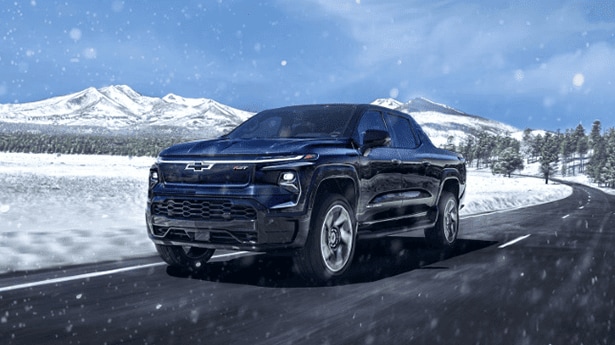
Cold weather causes tire pressure to drop because air contracts as ambient temperatures fall, reducing internal pressure by approximately 1 PSI for every 10°F drop in temperature. When an overnight cold front drops temperatures by 30°F to 40°F across central Ohio, a properly inflated Chevrolet tire can lose 3 to 4 PSI. This physical contraction decreases inflation pressure without a puncture or leak, frequently triggering the low tire pressure indicator on cold mornings.
This phenomenon is governed by standard gas laws. As external temperatures drop, the air molecules inside your tires lose kinetic energy and pack closer together, exerting less force against the inner tire lining. Drivers navigating the rolling hills and river valleys around Mount Vernon often notice this pressure drop during the first deep freezes of autumn, when ambient temperatures shift dramatically from day to night.
Operating a vehicle with underinflated tires creates several mechanical and safety concerns:
- Increased rolling resistance, which forces your engine to consume more fuel to maintain highway speeds.
- Greater sidewall flexing, which generates internal heat and accelerates uneven tread wear along the outer shoulders.
- Reduced steering precision and extended stopping distances on wet, slushy, or icy pavement.
- Higher vulnerability to wheel rim damage when contacting potholes or curb edges covered by snow.
Maintaining precise inflation relies on proactive care rather than waiting for dashboard alerts. While modern monitoring systems provide crucial warnings, routine checks ensure your vehicle delivers maximum traction and handling stability throughout seasonal weather shifts. For professional tire inspections or assistance with persistent pressure warnings, you can stop by our Mount Vernon service center location or give our service team (740) 358-0441 to schedule an evaluation.
What PSI Should Your 2026 Chevrolet Tires Be Inflated to and Does Driving Warm Them Up?
Your 2026 Chevrolet tires should be inflated to the exact cold PSI listed on the Tire and Loading Information placard located on the driver-side door jamb, which typically ranges from 30 to 35 PSI for passenger crossovers and SUVs to 45 PSI or higher for heavy-duty trucks. Driving your vehicle warms up the air inside the tires through road friction, increasing internal pressure by roughly 3 to 4 PSI after several miles of highway travel.
The specification on your vehicle's door placard represents the recommended "cold" inflation pressure. In automotive maintenance, a tire is considered cold when the vehicle has been parked for at least three hours or driven less than one mile at low speed. Never use the maximum PSI number stamped onto the tire sidewall as your daily inflation target. That sidewall figure indicates the maximum pressure the tire structural casing can safely withstand at maximum load capacity, not the optimal inflation engineered for your specific vehicle weight, suspension calibration, and axle balance.
When you drive a model like the 2026 Chevrolet Traverse with its 2.5L engine, 8-speed automatic transmission, and available AWD, the continuous flexing of the tire sidewalls against the pavement generates thermal energy. This heat expands the trapped air inside the tire cavity. Because of this natural expansion:
- Never bleed air out of a warm tire that reads 3 to 4 PSI above the door placard target immediately after driving.
- Always measure tire pressure first thing in the morning before commuting for the most accurate reading.
- If you must add air to a tire while it is warm from driving, inflate it 3 PSI above the door placard specification, then verify the setting once the vehicle has sat parked for three hours.
If your tire pressure sensors show erratic readings or fail to recalibrate after inflation adjustments, our parts department can assist with ordering genuine Chevrolet tire pressure sensors and maintenance parts online to keep your system working properly.
How Do You Reset the Chevrolet TPMS Light and Use Tire Fill Alert?
To reset the Tire Pressure Monitoring System (TPMS) warning light on a Chevrolet, inflate all four tires to the recommended cold PSI specified on your door placard and drive the vehicle at 20 mph or faster for a few minutes until the system recalibrates. If the dashboard light stays illuminated on morning starts, cold overnight ambient air likely pushed the pressure below the system's 25% drop threshold before driving friction warmed the air back into normal operating range.
The TPMS light illuminates whenever a tire drops roughly 25% below its recommended cold inflation setting. For example, if your door placard calls for 35 PSI, the system will trigger a dashboard alert when inflation falls to around 26 PSI. On cold winter mornings, ambient temperatures may pull the pressure down just enough to trip the sensor. As you drive to work and tire friction warms the air inside, the pressure expands back above 26 PSI, causing the warning light to turn off on its own later in the day.
To make routine inflation straightforward, modern models like the 2026 Chevrolet Equinox with its efficient 1.5L powertrain come equipped with Tire Fill Alert. This feature eliminates the need to constantly check a pressure gauge while adding air:
- Park the vehicle safely, set the parking brake, and leave the ignition in the ON/RUN position with the engine off.
- Attach the air compressor hose to the tire valve stem and begin filling.
- The vehicle exterior park lamps will illuminate to confirm the system is actively monitoring inflation.
- When the recommended cold PSI is reached, the vehicle horn will chirp once to alert you to stop filling.
- If you overinflate the tire, the horn will chirp twice and the exterior lamps will flash to signal that air should be released until a single horn chirp confirms the correct setting.
When drivers compare winter maintenance convenience features on our service floor, they often ask how Tire Fill Alert works during sub-zero weather; it provides exterior horn feedback so you do not need to struggle with handheld pressure gauges in freezing temperatures. If driving at highway speeds does not clear the TPMS light after proper inflation, or if the light flashes for 60 to 90 seconds before staying solid, the system indicates a sensor battery or communication issue that requires diagnostic equipment at our dealership.
How Often Should You Check Tire Pressure and Tread Depth During Ohio Winters?
Tire pressure should be checked at least once a month when cold during an Ohio winter, as well as after any sustained 10°F temperature drop, before long highway trips, or whenever the low pressure warning appears. For safe winter traction on icy or snow-covered roads, Chevrolet tires require a minimum tread depth of 4/32 of an inch, which provides necessary channel clearance before reaching the 2/32-inch legal wear limit.
Beyond temporary temperature contractions, tires naturally lose 1 to 2 PSI per month through microscopic permeation through the rubber casing. When combined with a 20°F to 30°F seasonal temperature drop, a tire that was correctly set in early autumn can easily end up 5 to 7 PSI underinflated by mid-winter if left unchecked. On open agricultural stretches surrounding Mansfield, reduced tread depth or underinflated tires significantly compromise lateral grip during sudden snow squalls.
Driving on significantly underinflated tires in winter is unsafe. Lower pressure causes the center of the tread to cup inward while forcing the outer shoulders to bear excess load. This distorts the tire contact patch, reducing braking traction and increasing stopping distances on slick surfaces. Furthermore, excessive sidewall flexing builds internal heat that can degrade internal rubber cords, leading to sudden tire failure.
Combining proper inflation with features like Chevy Safety Assist and standard IntelliBeam headlights gives you maximum control in low-visibility conditions. Equipping your truck or SUV with quality all-terrain tires and checking tread depth regularly using a depth gauge or the Lincoln penny test ensures deep snow grooves can clear slush effectively.
Common Questions About Chevrolet Winter Tire Maintenance
Q: Why does my Chevrolet TPMS light turn on during cold mornings and turn off after driving?
Overnight cold contracts the air inside your tires, lowering pressure below the system's trigger threshold. Driving generates friction and heat, expanding the internal air by 3 to 4 PSI and bringing pressure back above the threshold, which extinguishes the light. You should still check and adjust cold tire pressure to prevent underinflation during parking.
Q: Can I fill my Chevrolet tires with nitrogen to prevent winter pressure drops?
Nitrogen contracts and expands slightly less than compressed atmospheric air when temperatures drop because it contains less moisture, but it is still subject to fundamental gas contraction. While nitrogen slows natural permeation loss, you will still experience roughly 1 PSI of pressure drop for every 10°F decrease in ambient temperature and must perform regular cold pressure checks.
Q: What should I do if a single tire consistently loses pressure faster than the others?
A single tire losing pressure faster than the rest indicates a localized issue, such as a nail puncture, a leaking valve stem, or a poor rim seal caused by corrosion along the wheel bead. Unlike uniform cold-weather contraction that affects all four tires equally, isolated pressure loss requires a professional inspection and repair rather than repeated air top-offs.
Q: Does driving on underinflated tires in cold weather lower fuel economy?
Underinflated tires increase rolling resistance because the flattened tread footprint creates greater friction against the road surface. This forces your engine to work harder to maintain speed, lowering overall fuel efficiency. Keeping your tires set to the recommended door-placard PSI ensures optimal contact patch geometry and protects your vehicle's fuel economy throughout winter.
Q: How long does a professional tire pressure and inspection service take at Chevrolet of Mount Vernon?
A routine tire pressure check, tread inspection, and TPMS diagnostic at our service center typically takes under 30 minutes during a scheduled visit. Our factory-trained technicians set your cold inflation targets, inspect the tread for uneven wear patterns, and test sensor battery health so you can drive with confidence. You can easily schedule a winter service inspection online before your next road trip.
Categories:
News